

Gold prospecting has evolved far beyond traditional metal detectors and manual digging. Today, professional gold hunters rely on advanced technologies like 3D ground scanners to locate buried treasures with precision, efficiency, and minimal guesswork.
These devices are not just tools—they’re strategic assets used in real exploration projects across regions like Africa, the Middle East, and remote mining zones worldwide.
In this guide, we’ll break down how professionals actually use 3D ground scanners in the field, what makes them effective, and why they outperform conventional methods.
What Is a 3D Ground Scanner?
A 3D ground scanner is a specialized detection system designed to:
- Scan underground structures and anomalies
- Generate visual 3D images of subsurface targets
- Identify differences in soil composition and density
- Detect gold deposits, voids, tunnels, and buried objects
Unlike standard metal detectors that only beep when detecting metal, 3D scanners provide visual data, helping professionals interpret what lies beneath before digging.
Why Professional Gold Hunters Use 3D Ground Scanners
1. Precision Target Identification
Professional gold hunters don’t rely on luck—they rely on data.
3D scanners allow them to:
- Differentiate between gold, rocks, and empty voids
- Estimate depth and size of targets
- Avoid wasting time on false signals
This dramatically increases success rates in real exploration missions.
2. Mapping Underground Structures
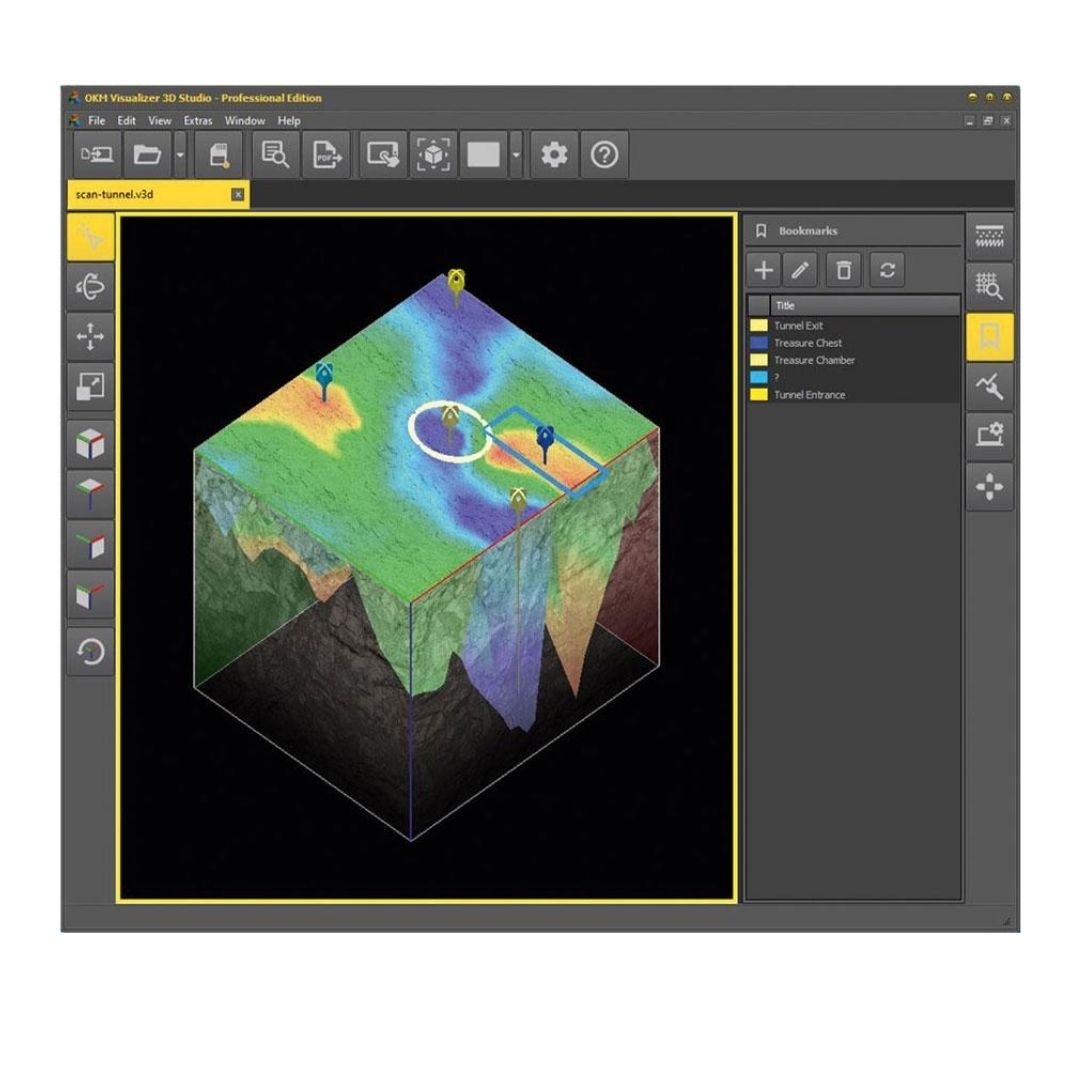


In many gold-rich regions, deposits are not isolated—they’re part of larger geological systems.
Professionals use 3D scanners to:
- Map veins and mineral zones
- Detect hidden tunnels or ancient workings
- Identify fault lines where gold accumulates
This turns random searching into strategic exploration.
3. Reducing Digging Costs and Time
Digging is expensive—especially in remote areas.
With 3D scanning, professionals can:
- Pinpoint exact dig locations
- Avoid unnecessary excavation
- Save fuel, labor, and time
For large-scale operations, this can mean thousands of dollars saved per project.
4. Working in Challenging Environments


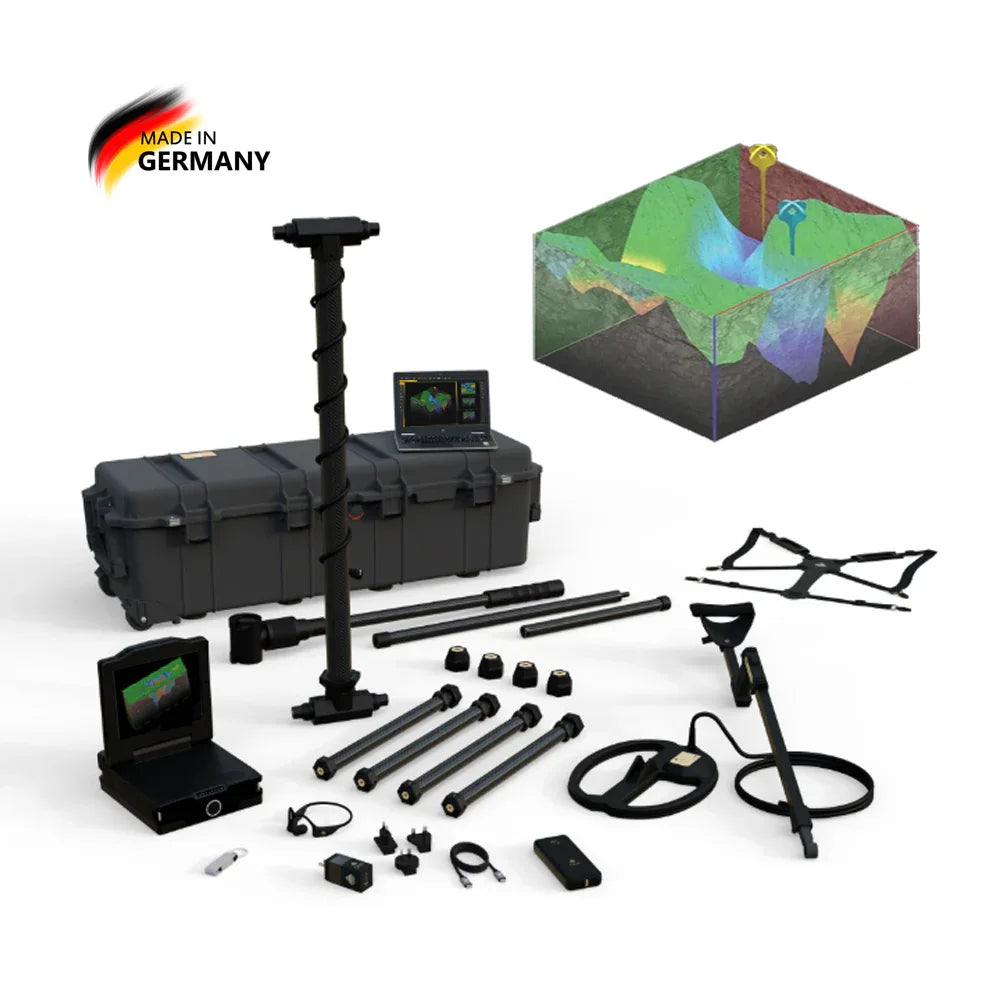
Professional gold hunters often operate in:
- Deserts (e.g., Sudan, Mauritania)
- Mountainous regions
- Dense forest or remote fields
3D ground scanners are built for these conditions, offering:
- Deep scanning capabilities
- Stable performance in mineralized soil
- Portability for field operations
Step-by-Step: How Professionals Use 3D Ground Scanners
Step 1: Site Selection
Before scanning begins, professionals:
- Study geological maps
- Analyze historical mining data
- Identify high-probability zones
Technology supports expertise—not the other way around.
Step 2: Ground Scanning Process
The operator walks the scanner over a defined grid:
- The device collects subsurface data
- Signals are recorded in real time
- Multiple passes improve accuracy
Consistency is key to getting reliable 3D imaging.
Step 3: Data Visualization & Analysis
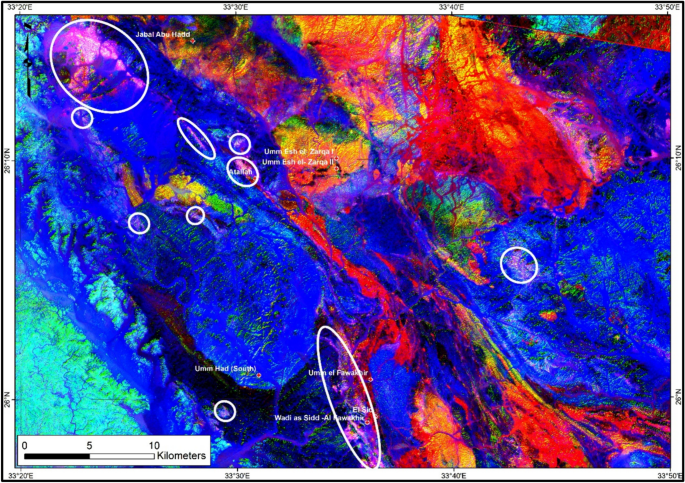
After scanning, data is processed into a 3D model.
Professionals analyze:
- Color-coded anomalies
- Depth indicators
- Shape and density of targets
For example:
- Red/bright zones → potential metal concentration
- Blue zones → voids or cavities
This step separates amateurs from professionals—it requires experience and interpretation skills.
Step 4: Verification and Digging
Before excavation:
- Additional scans may be performed
- Targets are cross-checked
Only then do professionals begin digging—with confidence.
Real-World Use Cases
Professional applications include:
- Gold exploration projects in Africa
- Archaeological discoveries
- Underground tunnel detection
- Large-scale mining surveys
Devices like advanced OKM and GER Detect scanners are commonly used in these scenarios due to their depth capabilities and imaging accuracy.
Key Advantages for Professional Gold Hunters
- Higher success rates
- Reduced operational costs
- Ability to explore deeper targets
- Better decision-making with visual data
- Competitive advantage in high-value gold hunting
3D ground scanners have transformed gold exploration from a game of chance into a science.
Professional gold hunters use these tools to:
- Locate targets faster
- Analyze underground structures
- Minimize risk and maximize returns
As technology continues to evolve, those who adopt advanced scanning systems will continue to outperform traditional prospectors.


